
Everything You Need to Know About Cellulose Packaging
Cellulose film packaging is a plant-based material used for transparent bags, wraps and packaging windows. For food brands and packaging buyers, it offers clear product presentation with different options for moisture control, printing and sealing.
This guide explains how cellulose film is made, its packaging benefits and what to consider when choosing a material for your products.
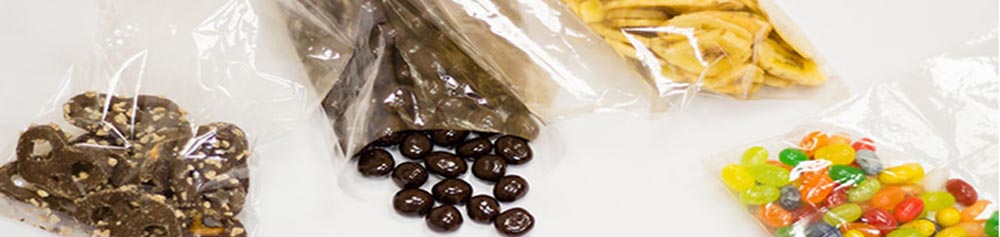
What is cellulose packaging?
Discovered in 1833, cellulose is a substance located inside the cell walls of plants. It’s composed of a long chain of glucose molecules, making it a polysaccharide (the scientific term for carbohydrate).
When several cellulose chains of hydrogen bond together, they form into something called microfibrils, which are incredibly inflexible and tough. The rigidity of these microfibrils makes cellulose an excellent molecule to use in bioplastic production.
Cellulose is used to produce paper, board and regenerated cellulose film. For transparent flexible packaging, purified cellulose is processed into a thin film that can be converted into bags, wraps and other packaging components.
How are cellulose film packaging products made?
Cellophane is created from the cellulose taken from cotton, wood, hemp, or other sustainably harvested natural sources. It starts as a white dissolving pulp, which is 92%–98% cellulose. Then, the raw cellulose pulp goes through the following four steps to be converted into cellophane.
1. The cellulose is dissolved in an alkali (the basic, ionic salt of an alkaline metal chemical) and then aged for several days. This dissolving process is called mercerization.
2. Carbon disulfide is applied to the mercerized pulp to create a solution called cellulose xanthate, or viscose.
3. This solution is then added to a mixture of sodium sulfate and dilute sulfuric acid. This turns the solution back into cellulose.
4. Then, the cellulose film goes through three more washes. First to remove the sulfur, then to bleach the film, and finally to add glycerin for durability.
The end result is cellophane, which is used in the food packaging industry, primarily to create biodegradable cellophane bags or "cello bags".
What are the benefits of cellulose products?
While the process of creating cellulose packaging is complicated, the benefits are clear.
Americans use 100 billion plastic bags annually, requiring 12 billion barrels of oil every single year. Beyond that, 100,000 marine animals are killed via plastic bags each year. It takes more than 20 years for petroleum-based plastic bags to degrade in the ocean. When they do, they create micro-plastics that further penetrate the food chain.
As our society grows more environmentally conscious, we continue to search for eco-friendly, biodegradable alternatives to petroleum-based plastics.
Aside from being a plastic alternative, cellulose film packaging presents a lot of environmental benefits:
Sustainable & bio-based
Because cellophane is created from cellulose harvested from plants, it is a sustainable product sourced from bio-based, renewable resources.
Biodegradable
Cellulose film packaging is biodegradable. Tests have shown that cellulose packaging biodegrades in 28–60 days if the product is uncoated and 80–120 days if coated. It also degrades in the water in 10 days if it’s uncoated and around a month if it’s coated.
Compostable
Cellophane is also it’s safe to put in your compost pile at home, and it doesn’t require a commercial facility for composting.
The food packaging benefits:
Low-cost
Cellulose packaging has been around since 1912, and it’s a byproduct of the paper industry. Compared with other eco-friendly plastic alternatives, cellophane has a low cost.
Moisture-resistant
Biodegradable cellophane bags resist moisture and water vapor, making them an excellent choice for displaying and storing food items.
Oil-resistant
They naturally resist oils and fats, so cellophane bags are great for baked goods, nuts, and other greasy foods.
Heat sealable
Cellophane is heat sealable. With the right tools, you can quickly and easily heat seal and protect food products stored in cellophane bags.
What is the future of cellulose packaging?
The future of cellulose film packaging looks bright. A Future Market Insights report predicts cellulose packaging will have a compound annual growth rate of 4.9% between 2018 and 2028.
Seventy percent of that growth is expected to take place in the food and beverage sector. Biodegradable cellophane packaging film and bags being the highest expected growth category.
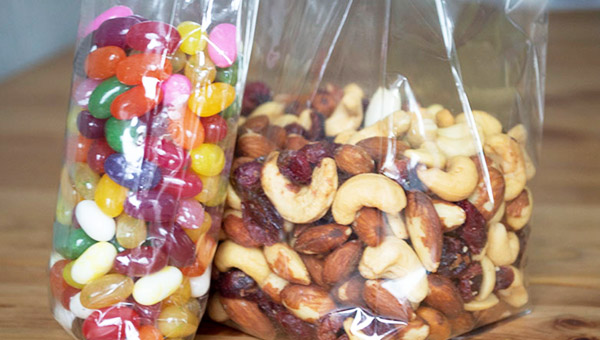
Cellophane and food packaging aren’t the only industries cellulose is used. Cellulose has been approved by the FDA for use in:
Food additives
Artificial tears
Drug filler
Wound treatment
Cellophane is seen most often in the food and beverage industry, pharmaceuticals, personal care, home care, and retail sectors.
Custom Cellulose Packaging from YiTo Pack
YiTo Pack supports custom cellulose film packaging projects, including flat bags, gusseted bags and wrapping formats. Discuss dimensions, thickness, printing and sealing requirements to develop packaging around your product.
Our one-stop packaging service can also coordinate labels and outer packaging, helping keep your branding consistent across the finished pack.
Explore our cellulose film packaging options or send your product details, required size, quantity and target market to williamchan@yitolibrary.com to discuss samples and a quotation.
Related Products
Post time: May-28-2022