
Who This Page Is For
If you're a procurement manager, packaging buyer, or brand sourcing team evaluating a switch from OPP, CPP, or PE transparent bags — this page is built for you. Below you'll find the material performance data, certification details, and sourcing information you need to complete that evaluation.
At a glance:
Petroleum-free cellulose film — no plastic components at any layer
Heat-sealable at 115–120°C, thermally stable to 130°C
Certified to EN13432 (EU) and ASTM D6400 (North America) for compostability
REACH SVHC < 0.1% verified; RoHS compliant; food-contact safe per EU Regulation 1935/2004
FSC-certified raw material sourcing; full compliance document package available on request
Custom sizes, bag formats, and LOGO printing supported; low MOQ available for sampling
What Are Cellophane Bags Made Of?
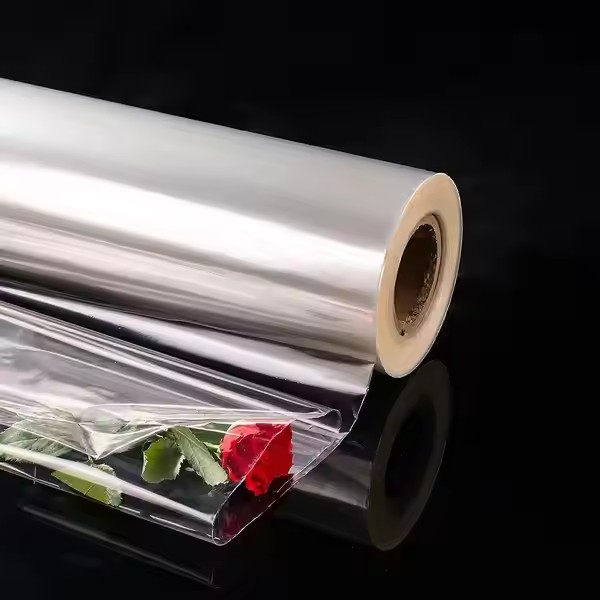
Cellophane bags are crafted from cellulose, a naturally occurring polymer found in plants. This material is obtained through a chemical process where wood pulp or cotton is broken down into cellulose fibers.
Unlike plastic (which is made from petroleum-based polymers), cellophane is a renewable, plant-based material that is completely biodegradable and compostable. Its transparency is one of its most attractive features, offering both aesthetic appeal and functionality.
Biodegradable Cellophane Bags
The biodegradable cellophane bags are made from clear, 100% compostable cellophane, a cellulose product derived from wood fibers taken from only sustained forests. This is the widest range of compostable cellophane bags made from compostable wood-cellulose-derived bioplastic,these eco friendly compostable packaging are an affordable and easy way to be make business sustainable and support regenerative organic practices.
These eco-friendly compostable cello bags are made of certified compostable biofilm to reduce the impact on our planet and keep your products fresh!
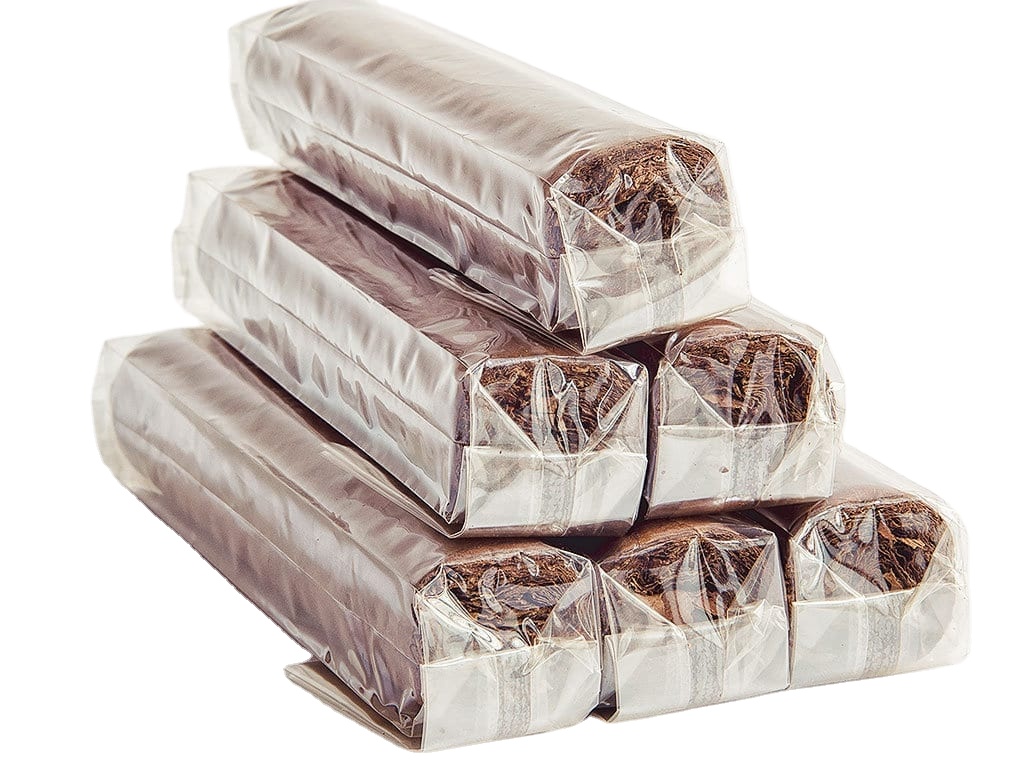
Biodegradable cellophane wrap are static free and can be heat sealed. Our Clear Biodegradable Cellophane Gift Bags will not biodegrade or show any loss in mechanical properties on the shelf. Biodegradation will only be initiated in a soil, compost, or waste-water environment where micro-organisms are present. These bags are applied in serious different areas, such as cigar cellophane sleeves, greeting card sleeves, and so on.
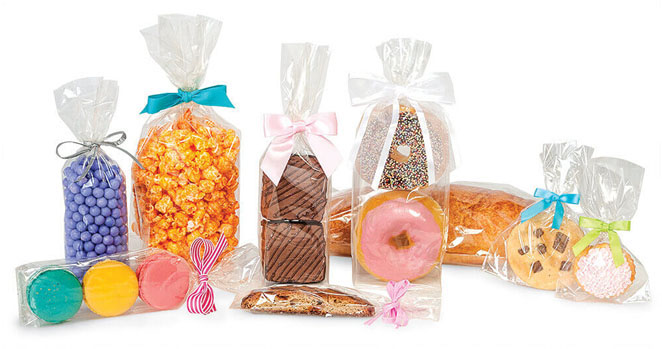
Feature of Cellophane Bage
Biodegradability is a property of certain materials to decompose under specific environmental conditions. Cellophane film, which makes up cellophane bags, is made from cellulose broken down by microorganisms in microbial communities like compost piles and landfills. Cellophane bags have cellulose which gets converted into humus. Humus is a brown organic material formed by the breakdown of plant and animal residue in the soil.
These compostable products lose their strength and stiffness during decomposition until they completely break down into tiny fragments or granules. Microorganisms can easily digest these particles.
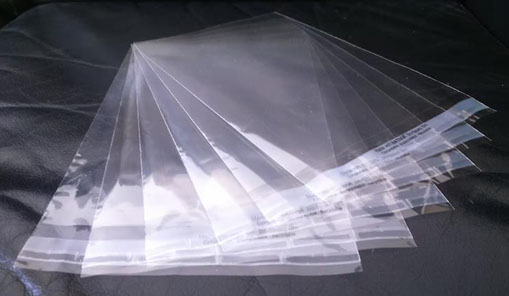
Why Choose Biodegradable Cellophane Bags?
Biodegradable cellophane bags are an environmentally responsible alternative to conventional plastic packaging. Made from renewable plant-based fibers such as wood pulp, these bags meet internationally recognized standards including EN 13432, OK Compost, and BPI certification, ensuring full biodegradability under industrial composting conditions. Unlike petroleum-based plastics, these bags naturally break down into harmless components within months, reducing long-term environmental pollution. Choosing biodegradable cellophane bags supports your brand’s sustainability initiatives while maintaining high-quality performance for food and retail packaging. Their natural, clear appearance provides excellent product visibility, making them suitable for confectionery, baked goods, dried fruits, and gift packaging, all while minimizing your ecological footprint.

Cellophane vs. OPP and PE: Production Line Performance Comparison
For teams currently running OPP or PE on automated lines, the questions that matter aren't philosophical — they're operational. Here's how YiTo Pack's wood pulp cellophane bags compare on the parameters that affect your throughput and rejection rate:
| Performance Parameter | Standard PE / OPP Film | YiTo Pack Cellophane | What It Means for Your Line |
|---|---|---|---|
| Heat seal temperature | 120–160°C (PE); higher for OPP | 115–120°C | Lower energy input; compatible with most existing heat-seal equipment without modification |
| Heat resistance ceiling | PE deforms above ~60°C | Stable to 130°C | Suitable for post-fill sterilization, hot-fill food processes, and high-temp food contact cycles |
| Tensile strength | Variable; thin gauge tears easily | Balanced MD/TD; firm hand feel | Reduced film breakage and rejection rate on automated packaging lines |
| Static behavior | High static; dust accumulation; double-feeding | Anti-static — no dust attraction, smooth machine feed | Measurable improvement for high-speed pre-made pouch and VFFS lines |
| Printability | Requires corona pre-treatment | High surface tension — no corona treatment needed | One less prep step; higher color saturation and sharper registration |
| End-of-life | Landfill or mechanical recycling required | Certified compostable (home and industrial) | Supports ESG reporting requirements and EU/North American retail complianc |
On heat sealing specifically: the 115–120°C window means your current machinery likely accommodates this material without retooling. The 130°C thermal stability ceiling matters for food brands using post-fill pasteurization or sterilization — a step where standard PE consistently causes deformation issues.
On static: if double-feeding or dust contamination on OPP is already a maintenance concern on your line, this is worth factoring into your total cost comparison — not just the per-unit material price.
Choose Your Biodegradable Cellophane Bags
Available in Custom Printing and Dimensions (Minimum 10,000) Upon Request
Custom sizes and thicknesses available
Looking for a cost-effective way to green your brand? Our compostable cellophane bags are the perfect fit for restaurants, cafés, bakeries, meal-prep services, grocery chains and farmers’ markets.
• Takeaway & coffee: heat-sealable and leak-proof, keeping drinks piping hot and aromas locked in.
• Baked goods & desserts: high oxygen barrier maintains crunch for up to 48 hours.
• Produce & dry goods: puncture-resistant, moisture-proof and shelf-stable, even on long hauls.
• Retail display: crystal-clear window plus custom print boosts impulse purchases.
Fully certified to EN13432 (CA & other states) and FDA food-contact safe. They compost in 90 days, return nutrients to the soil, and cost less than conventional plastic—turning sustainability into your new profit center.
Available Sizes and Styles
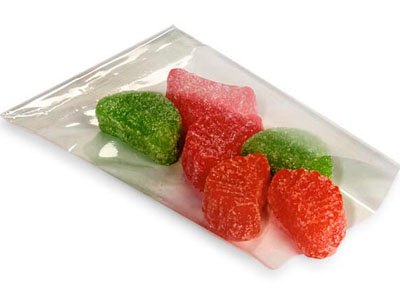
self adhesive biodegradable cellophane bags
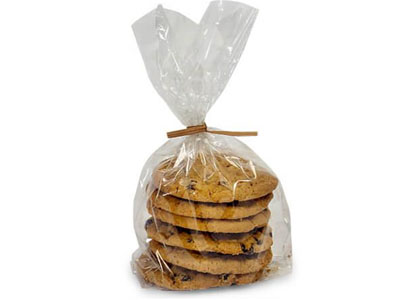
biodegradable cellophane bags 2x3
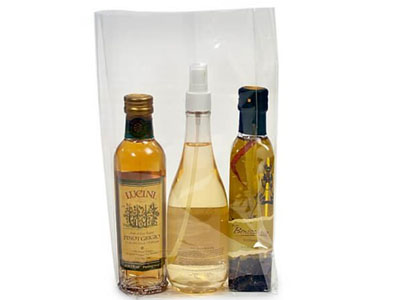
biodegradable cellophane bags for gift bags

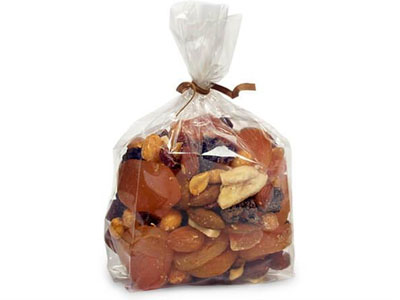
Compostable vs. Biodegradable: What’s the Difference?
Understanding the distinction between compostable and biodegradable is crucial for informed packaging decisions. Biodegradable bags decompose naturally over time, but the rate and environmental conditions can vary. Compostable bags, however, are specifically designed to break down in industrial composting facilities within a set timeframe without leaving toxic residues.
YITO’s biodegradable cellophane bags are engineered to be fully compostable as well, offering compliance with global sustainability regulations. This dual functionality ensures that businesses meet environmental responsibilities while providing a safe, high-quality packaging solution suitable for food, retail, and gift products. Choosing the right material guarantees both performance and ecological benefit.
Application field of Eco Friendly Cellophane Bage
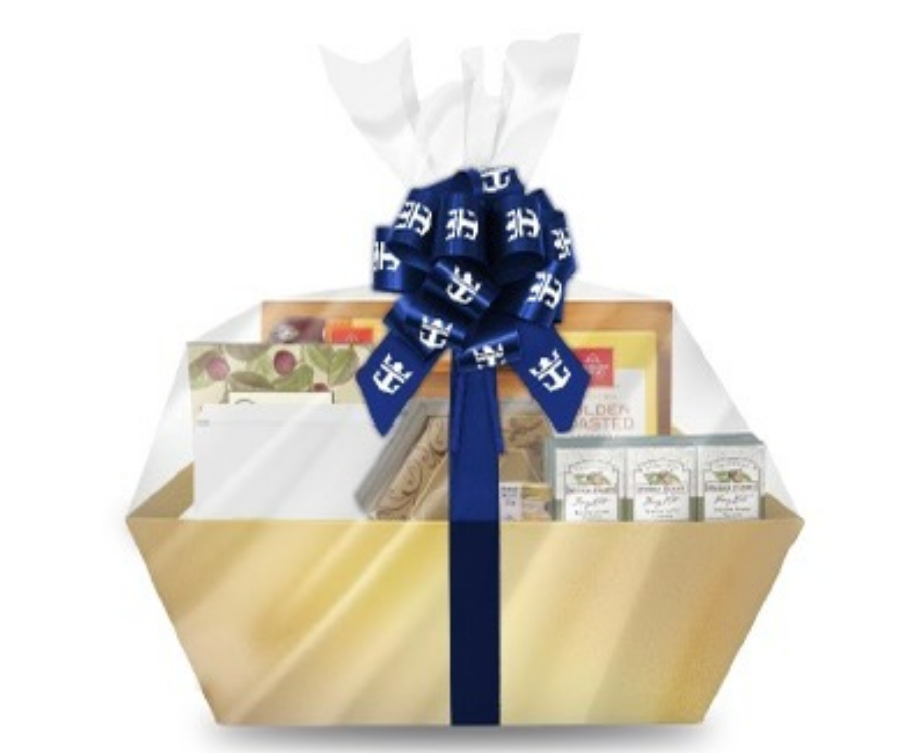
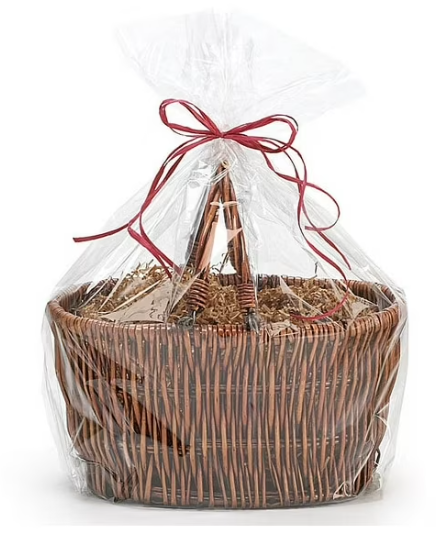
Cellophane bag is great for food like breads, nuts, candy, microgreens, granola and more. Also popular for cigar packaging and retail items like soaps and crafts or gift bags, party favors, and gift baskets. These cello bags also work well for greasy or oily foods like baked goods, gourmet popcorn, spices, food service baked goods, pasta, nuts & seeds, handmade candy, card sleeves, apparel, gifts, cookies, sandwiches,cheeses,candies packaging and more.
Cellophane bags are not only eco-friendly but also versatile, offering a range of applications across various industries:
Food Packaging: Ideal for packaging bakery items, snacks, fruits, and other food products that require breathability and protection.
Gift and Retail Packaging: Perfect for luxury items, soaps, or small gift packaging.
Tobacco and Cigar Packaging: Specially designed to maintain the aroma of cigars and cigarettes while being environmentally responsible.
Bakeries, Restaurants & More: Suitable for bakery items, snacks, and other food products that require protection and visibility, keeping them fresh and attractive for customers.
Coffee Shops: Great for packaging coffee beans, tea leaves, or small pastries, ensuring the products stay fresh and are presented in an eco-friendly way.
Restaurants: An excellent choice for packaging takeout meals, pastries, or snacks while aligning with sustainable practices and enhancing your brand’s eco-friendly image.
Grocery Stores: Perfect for packaging fresh produce, snacks, or bulk items, offering a biodegradable and moisture-resistant alternative to plastic bags.
Delis & Delicatessen or C-Store & More: Ideal for packaging meats, cheeses, and other deli items, ensuring freshness while minimizing environmental impact.
Commercial Quality & Great for Home Use Too: High-quality cellophane bags suitable for commercial and personal use, offering durability and eco-friendly benefits for both business and home environments.
For B2B Buyers: Compliance Requirements by Export Market
If you're sourcing these bags for products destined for EU, UK, or North American retail channels, here's a practical summary of what your buyers and import partners will ask for — and what YiTo Pack can provide:
| Market | Key Requirement | YiTo Pack Documentation Available |
|---|---|---|
| European Union | EN13432 compostability; EU Regulation 1935/2004 food contact; REACH SVHC < 0.1% | ✅ Certificate + DoC + Test Report |
| United Kingdom | EN13432 or equivalent; food-contact safety documentation | ✅ Certificate + DoC |
| United States / Canada | ASTM D6400 compostability; FDA food-contact compliance | ✅ Certificate + Compliance Declaration |
| Global (general) | RoHS 2011/65/EU; FSC raw material traceability | ✅ RoHS Declaration + FSC Chain of Custody |
A practical note on "food grade" claims: in EU markets, the term "food grade" has no legal definition. What your retail buyer's compliance team will actually require is a Declaration of Compliance (DoC) referencing EU Regulation 1935/2004, supported by migration test data. We provide both as standard for all food-contact orders.
On REACH documentation: test reports are material- and grammage-specific. If you're ordering a custom specification, confirm that the compliance documentation covers your exact configuration — we flag this proactively for all custom orders to avoid documentation gaps at your end.
Biodegradable VS Compostable
Tests have shown that, when buried or composted, un-coated cellulose film typically breaks down in an average of 28 to 60 days. Coated cellulose breakdown ranges from 80 to 120 days. In lake water, the average bio-degradation for un-coated is 10 days and 30 days for coated. Unlike true cellulose, BOPP film is not biodegradable, but rather, it is recyclable. BOPP remains inert when discarded, and it does not leach any toxins into the soil or water table.
Comparison chart of BOPP and cellophane bag properties
| Properties | BOPP Cello Bags | Cellophane Bags |
| Oxygen Barrier | Excellent | Excellent |
| Moisture Barrier | Excellent | Moderate |
| Aroma Barrier | Excellent | Excellent |
| Oil/Grease Resistance | High | High |
| FDA-Approved | Yes | Yes |
| Clarity | High | Moderate |
| Strength | High | High |
| Heat-Sealable | Yes | Yes |
| Compostable | No | Yes |
| Recyclable | Yes | No |
Compostability Certification: What EN13432 and ASTM D6400 Actually Require
"Compostable" has a precise technical and legal meaning in regulated markets. Here's what the two major standards require — and how they map to your export destinations:
| Standard | Primary Market | Core Requirements | Composting Condition |
|---|---|---|---|
| EN13432 | European Union, UK | Biodegradation ≥90% within 6 months; disintegration; ecotoxicity pass | Industrial composting (55–60°C) |
| ASTM D6400 | United States, Canada | Equivalent biodegradation and disintegration thresholds | Industrial composting |
| OK Compost HOME | EU (widely recognized) | Biodegradation at ambient temperature ~25°C | Home compost bin |
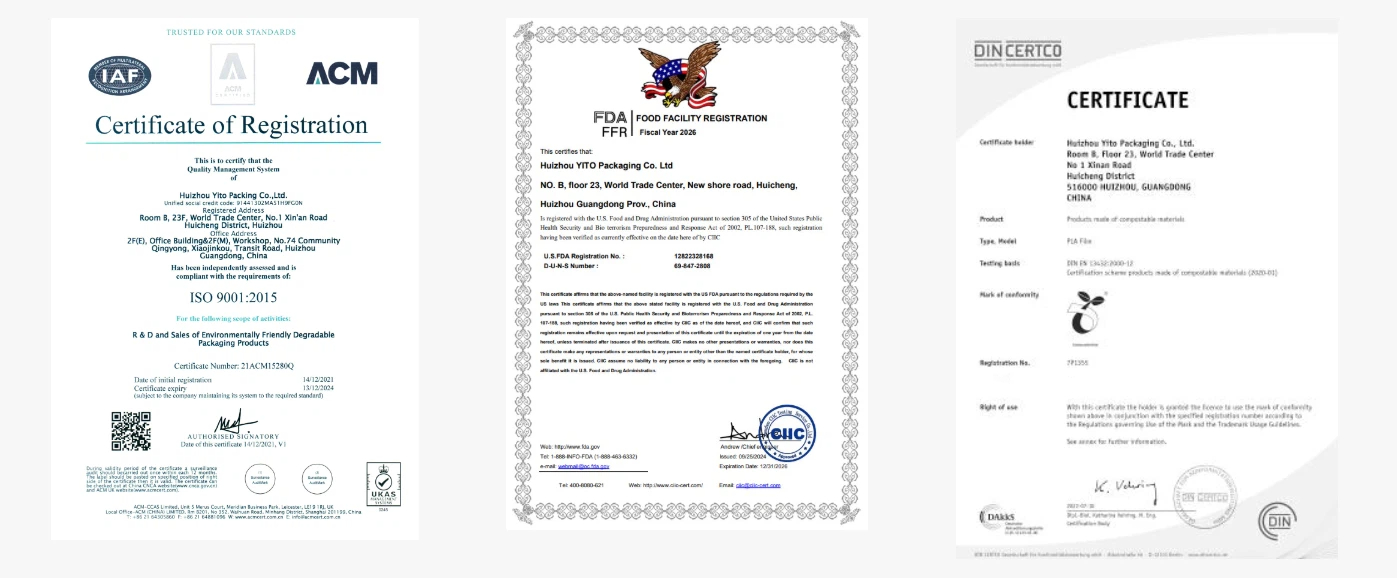
YiTo Pack's wood pulp cellophane bags meet both industrial composting standards and ambient home compost conditions. This distinction matters when your retail partners ask how end consumers should dispose of the packaging — and increasingly, when EU regulators assess whether your on-pack "compostable" claim is legally supportable.
Industrial vs. home composting — which should you specify? Industrial composting requires a municipal or commercial facility operating at sustained high temperatures. Not all regions have accessible infrastructure for end consumers. Home composting works in a standard garden bin at ambient temperature. For EU markets with strong industrial composting infrastructure (Germany, Netherlands, and Scandinavia), EN13432 certification is the primary requirement. For markets where home composting is more common — UK, parts of Southern Europe — OK Compost HOME adds meaningful label credibility.
On EU packaging label compliance: under the EU Packaging and Packaging Waste Regulation (PPWR) framework, brands using "compostable" as an on-pack claim in EU markets must substantiate that claim with valid certification documentation. Uncertified claims are increasingly challenged at retail and regulatory levels. We supply the full certification as part of every order for EU-destined packaging.
Printing and Customization Options
To enhance brand visibility, YITO provides multiple printing and customization options for biodegradable cellophane bags. Techniques include screen printing, flexographic printing, and digital printing, allowing for precise reproduction of logos, brand colors, and promotional graphics. All inks used are certified food-safe under FDA and EU standards, ensuring compliance for edible products.
Custom designs not only reinforce brand identity but also improve shelf appeal and consumer engagement. Businesses can order small or bulk quantities with tailored printing, giving them flexibility for seasonal promotions, product launches, or exclusive packaging editions. These options allow brands to align sustainability with marketing strategies effectively.
Storage and Handling Recommendations
Proper storage and handling extend the usability of biodegradable cellophane bags. To maintain quality, store bags in a cool, dry environment away from direct sunlight and humidity. Avoid stacking heavy items on top of stored bags to prevent deformation.
For food packaging, ensure that products are dry before sealing to prevent premature degradation. These bags are suitable for both short-term and long-term storage, provided environmental conditions are controlled. Following these best practices guarantees that your packaging remains functional, clear, and aesthetically appealing, while preserving the bags’ compostable properties until use.
Frequently Asked Questions
Biodegradability is a property of certain materials to decompose under specific environmental conditions.Cellophane film, which makes up cellophane bags, is made from cellulose broken down by microorganisms in microbial communities like compost piles and landfills.cellophane bags have cellulose which gets converted into humus. Humus is a brown organic material formed by the breakdown of plant and animal residue in the soil.
cellophane bags lose their strength and stiffness during decomposition until they completely break down into tiny fragments or granules. Microorganisms can easily digest these particles.
Cellophane or cellulose is a polymer consisting of long chains of glucose molecules linked together. Microorganisms in the soil break down these chains as they feed on cellulose, using it as their food source.
As cellulose gets converted to simple sugars, its structure begins to break down.In the end, only sugar molecules remain. These molecules become absorbable in the soil. Alternatively, microorganisms can feed on them as food.
In a nutshell, cellulose gets decomposed into sugar molecules that are easily absorbable and digestible by microorganisms in the soil.
The aerobic decomposition process generates carbon dioxide, which is recyclable and does not remain as a waste material.
Cellophane Bags are 100% biodegradable and contain no toxic or harmful chemicals.
So, you can dispose of them in the garbage bin, home compost site, or at local recycling centers which accept disposable bioplastic bags.
YiTo Pack’s standard wood pulp cellophane bags are petroleum-free at every layer. The film is produced from natural cellulose fiber and does not use PE lining or BOPP laminate in the standard structure. This material structure supports compostability certification under applicable test conditions. Plastic laminates or non-compostable coatings may affect certification eligibility, so we can provide raw material specification documents for your supplier qualification process.
In our product range, these terms usually refer to the same material: transparent bags made from regenerated cellulose film derived from wood pulp. “Cellophane” is the widely recognized commercial name, while “wood pulp paper bags” describes the raw material source more directly. Both refer to a petroleum-free, compostable, transparent flexible packaging film—different from PLA film, BOPP film, or PE film.
The bags can maintain structural integrity and seal quality under standard refrigerated storage conditions. However, they are not designed for prolonged water immersion or sustained high-condensation cold-chain environments. For products requiring stronger moisture resistance, such as fresh-cut produce or high-humidity refrigerated distribution, we recommend confirming the required barrier level before finalizing the specification.
Standard documentation may include EN13432 certification, REACH compliance declaration, RoHS declaration, and food-contact Declaration of Compliance. Available on request for applicable product structures: ASTM D6400 certification, FSC chain-of-custody documentation, batch-specific Certificate of Analysis, and third-party test reports for specific migration or compostability requirements. Please include any required documents in your initial inquiry so we can confirm them before production.
YITO Packaging is the leading provider of biodegradable cellophane bags. We offer a complete one-stop biodegradable cellophane bags solution for sustainable business.