
Quick Answer: What is Sustainable Packaging?
Sustainable packaging is built around two core directions:
- Recyclable packaging (circular economy focus)
- Degradable packaging (end-of-life environmental impact)
To better guide businesses, the industry often follows a 4R + 1D framework:
- Reduce (use less material)
- Reuse (extend product lifecycle)
- Recycle (recover materials)
- Renewable (use plant-based resources)
- Degradable (return safely to nature)
The best sustainable packaging strategy depends on product type, market requirements, and cost structure.
Why Sustainable Packaging Matters in 2026
With tightening regulations in the EU and US, packaging is no longer just functional—it’s strategic.
Key market drivers:
- Plastic reduction policies (EU Green Deal, US state bans)
- Retailer sustainability requirements
- Consumer preference for eco-friendly packaging
- Brand ESG commitments
For packaging buyers, the question is no longer “Should we switch?” The key question becomes: “Which sustainable packaging solution fits my product and market?”
The 4R + 1D Sustainable Packaging Framework
1. Reduce
For high-volume packaging buyers, reducing material is often the fastest way to lower cost and improve sustainability.
✔ What it means:
Using less material without compromising protection.
✔ Key Keywords:
lightweight packaging
Reduced plastic packaging
minimal packaging
✔ Industry Insight:
Reducing material is often the fastest and lowest-cost sustainability upgrade.
✔ YITO Solution:
Thin-gauge PLA film
Optimized fruit clamshell packaging
Lightweight produce packaging solutions
Helps reduce:
Material cost
Shipping weight
Carbon footprint
Buyer Pain Point Solved:
Lower packaging cost per unit while improving sustainability metrics.

2. Reuse
✔ What it means:
Packaging designed for multiple uses instead of single-use disposal.
✔ Key Keywords:
Reusable packaging
Multi-use bags
Durable packaging
Premium product packaging
Gift packaging
Retail display packaging
✔ Typical Use Cases:
✔ YITO Perspective:
Most fresh produce packaging is not suitable for reuse due to hygiene and logistics, but reusable packaging works well in
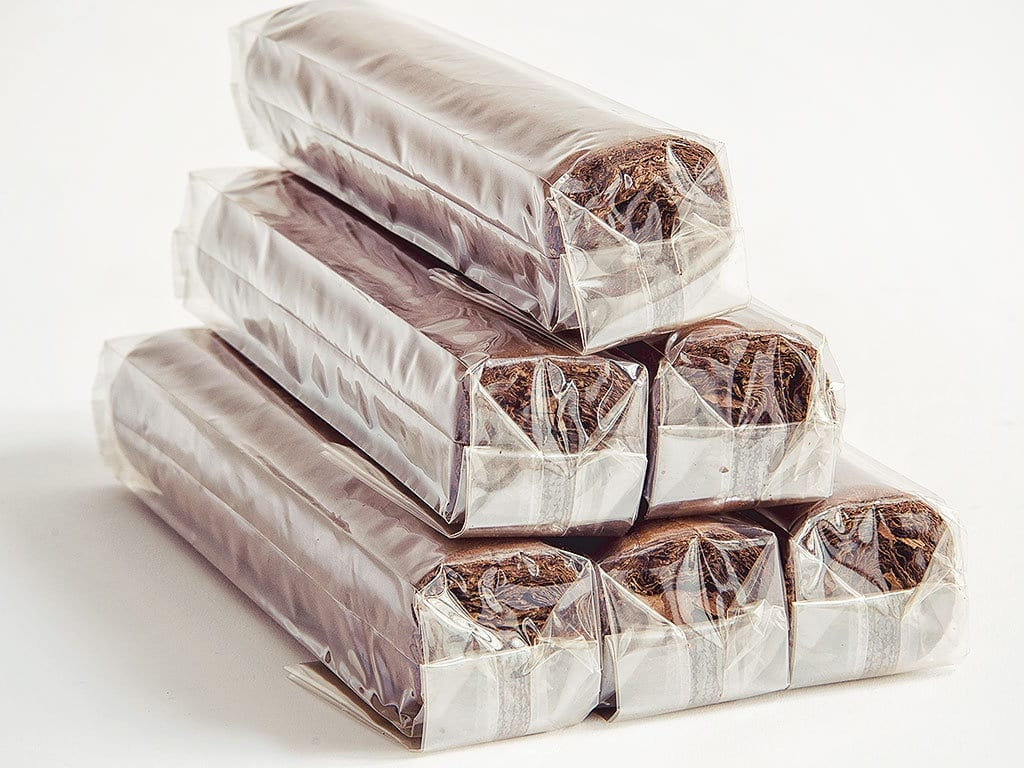
Cigar packaging bags
Retail storage bags
Custom branded packaging
Fresh produce packaging is rarely reusable due to hygiene and logistics constraints.
Buyer Pain Point Solved:
Improves brand perception and reduces long-term packaging consumption for premium products.
3. Recycle
For brands selling into EU and US retail markets, recyclable packaging is often a baseline requirement.
✔ What it means:
Packaging that can enter existing recycling systems.
✔ Key Keywords:
recyclable packaging
mono-material packaging
recyclable film / bag
✔ Industry Insight:
Recyclability is a top priority in Europe and North America.
✔ Challenges:
Multi-layer films are hard to recycle
Contamination affects recovery rates
YITO Approach:
Mono-material packaging design
Recyclable flexible packaging solutions
Simplified material structures
Helps brands meet:
Retail compliance
Extended Producer Responsibility (EPR)
4. Renewable
✔ What it means:
Using materials derived from natural, renewable resources.
✔ Key Keywords:
plant-based packaging
renewable materials
bio-based film
PLA (corn-based)
Cellulose film
Bagasse (sugarcane fiber)
✔ Common Materials:
✔ YITO Products:
PLA film & compostable bags
Cellulose transparent packaging
Bagasse food containers
Benefit:
Reduces dependence on fossil-based plastics
Supports brand sustainability positioning
5. Degradable — 1D Core Direction
✔ What it means:
Packaging that can break down naturally or industrially.
✔ Key Keywords:
Biodegradable packaging
compostable packaging
PLA / cellulose / BOPLA
Industrial compostable (EN13432 / ASTM D6400)
Home compostable (limited but growing)
PLA compostable packaging
BOPLA high-performance films
Certified food-grade materials (FDA / LFGB)
✔ YITO Strength:
Ideal for:
Fresh produce packaging
Food service packaging
Eco-focused brands
Buyer Pain Point Solved:
Helps brands build a strong eco-friendly positioning and meet sustainability targets.
Our Sustainable Packaging Solutions(YITOPACK)
How to Choose the Right Sustainable Packaging Solution
When selecting sustainable packaging, buyers should focus on real project needs rather than just material claims.
If you export to EU / US retail
→ Prioritize recyclable packaging to meet compliance and EPR requirements
If you are building an eco-friendly brand
→ Choose compostable or plant-based packaging (PLA, cellulose)
If cost is a concern
→ Focus on lightweight packaging (Reduce strategy)
From our experience working with fruit exporters, packaging distributors, and supermarket suppliers, most buyers need a combination of solutions—not just one material. If you're planning a packaging upgrade or new product launch, it's recommended to confirm packaging specifications early to avoid delays in bulk production.
Instead of offering one material, YITO provides multi-solution sustainable packaging options:
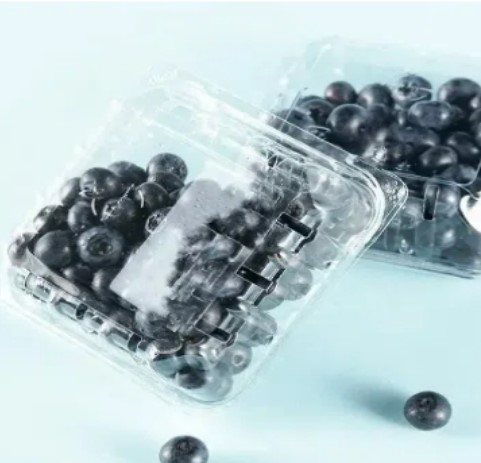
Compostable Packaging
Example applications of compostable packaging:


Recyclable Packaging
Example applications of recyclable packaging:


Plant-Based Packaging
Example applications of plant-based packaging:


Custom Packaging
Example applications of custom packaging solutions:


Why Choose YITO

YITOPACK’s packaging solutions are produced in compliance with international food contact and environmental standards.Our certifications include:
- FDA-compliant materials for food packaging
- LFGB certification for EU market requirements
- EN13432 / ASTM D6400 (for compostable materials where applicable)
- ISO 9001 certified quality management system
These certifications help ensure product safety, regulatory compliance, and suitability for global produce and seafood supply chains.
We help buyers choose the right sustainable packaging solution based on real project needs—not just materials.
Best Fit / Not Best Fit
Best fit: businesses evaluating sustainable packaging strategies across different scenarios
The 4R + 1D framework is most suitable for businesses that need to evaluate sustainable packaging solutions from a strategic perspective, rather than focusing on a single material.
It helps packaging buyers compare options such as
- Recyclable packaging for retail compliance
- Compostable packaging for eco-brand positioning
- Lightweight packaging for cost reduction
- Plant-based materials for sustainability goals
For companies with different products, export needs, or store demands, the 4R + 1D framework helps them make clear choices about balancing costs, performance, and environmental effects.
The 4R + 1D framework is commonly used to guide packaging decisions based on recyclability, compostability, and material efficiency.
Not the best fit: projects looking for a single material solution or short-term packaging decisions
The 4R + 1D framework is not designed for situations where buyers are only comparing one specific packaging material or making short-term purchasing decisions.
For example:
- Selecting between two similar materials for immediate use
- Projects with fixed packaging requirements and no sustainability targets
- Low-volume or one-time packaging orders
In these cases, a direct material comparison may be more practical than applying a full sustainability framework.
Instead, the 4R + 1D approach is more valuable when sustainability is a long-term strategy, not just a one-time choice.
The 4R + 1D framework works best as a long-term sustainability guideline rather than a single-product selection tool.
Conclusion
Sustainable packaging today is about selecting the right combination of recyclable, compostable, and material-efficient solutions for each product and market.
For packaging buyers, the key is not choosing the “most sustainable” option in theory but selecting the most suitable solution based on product type, logistics conditions, and target market requirements.
As sustainability standards continue to evolve globally, the 4R + 1D framework helps businesses make more informed, flexible, and future-ready packaging decisions.
FAQ
Q: What is sustainable packaging?
Sustainable packaging uses recyclable, compostable, or renewable materials to reduce environmental impact while maintaining product performance.
Q: What is the 4R + 1D framework?
It includes Reduce, Reuse, Recycle, Renewable, and Degradable to guide sustainable packaging decisions.
Q: What is the difference between recyclable and compostable packaging?
Recyclable packaging is processed through recycling systems, while compostable packaging breaks down under composting conditions.
Q: Which sustainable packaging is best for fresh produce?
Recyclable packaging suits retail compliance, while compostable packaging supports eco-friendly branding.
Q: Is sustainable packaging more expensive?
Not always; cost can be reduced through lightweight design and optimized materials.
Q: What certifications are required for sustainable packaging?
Common certifications include FDA, LFGB, EN13432, and ASTM D6400.
Q: How do I choose a sustainable packaging supplier?
Choose suppliers with industry experience, certifications, and customization capabilities.
Q: Can sustainable packaging be customized?
Yes, most solutions support custom sizes, printing, and branding.
Contact us today for samples or project consultation.
Related Products


Post time: Apr-10-2026