
Global concerns over climate change and plastic pollution are accelerating the shift toward sustainable materials. Governments are enforcing stricter plastic regulations, while retailers and produce suppliers increasingly require packaging that meets environmental standards and aligns with consumer expectations. As a result, the eco-friendly packaging sector is expanding rapidly, especially in fresh produce where packaging now plays a critical role in brand trust and regulatory compliance.
Within this transition, recyclable and biodegradable fruit punnets are emerging as a leading solution. They integrate smoothly into existing supply chains, offer strong visual appeal, and comply with global sustainability requirements. Across Europe, North America, and Asia, these sustainable punnets are becoming an industry standard, shaping the future of fresh-produce packaging.
What Is Compostable Packaging?
Compostable packaging is designed to return safely to nature after use, offering a practical alternative to conventional plastics.
Typically made from renewable, plant-based materials such as PLA (polylactic acid), cellulose, starch blends, or other bio-polymers, this type of packaging can break down into water, carbon dioxide, and organic matter under composting conditions—without leaving toxic residues.
Certified compostable packaging is usually tested against internationally recognized standards such as EN 13432, ASTM D6400, or OK Compost, ensuring controlled biodegradation rates, eco-toxicity safety, and material disintegration within defined timeframes. As sustainability regulations tighten and consumer awareness grows, compostable packaging is increasingly seen as a credible, standards-driven solution for reducing plastic waste and environmental impact.
Core Material Features
Cellulose(Cellophane)
Cellulose-based packaging materials, commonly known as cellophane, are derived from natural plant fibers such as wood pulp or cotton linters, making them 100% bio-based and renewable. Thanks to their highly ordered molecular structure, cellulose films offer excellent rigidity and dimensional stability, which helps maintain package shape and visual appeal during storage and display. Unlike conventional plastics, cellulose is inherently compostable and biodegradable, breaking down into natural components without releasing harmful residues.
To overcome traditional moisture sensitivity, modern cellulose films are often surface-treated or coated with biodegradable barriers, significantly improving water vapor resistance while preserving breathability. Combined with a premium, paper-like transparency and natural texture, cellulose packaging is widely favored for food wrapping, labels, and retail packaging where sustainability and aesthetics are equally important.
PLA (Polylactic Acid)
PLA (Polylactic Acid) is a plant-based biopolymer produced through the fermentation of renewable resources such as corn starch or sugarcane, followed by polymerization into a thermoplastic material. Known for its high clarity, stiffness, and smooth surface, PLA closely resembles traditional PET in appearance, making it particularly suitable for transparent packaging applications. From a safety perspective, PLA is food-contact compliant and widely used in food packaging, disposable containers, and specialty films.
Under industrial composting conditions, PLA can be effectively broken down into water and carbon dioxide, aligning with international compostability standards. Its good printability and formability also make PLA an ideal choice for labels, films, and rigid or semi-rigid packaging, especially for brands seeking a balance between performance, transparency, and environmental responsibility.

PHA
PHA is a naturally occurring biopolymer synthesized by microorganisms through fermentation processes.
One of its most distinctive advantages is its ability to biodegrade not only in industrial composting systems, but also in natural environments, including soil and marine conditions. This makes PHA a promising solution for addressing plastic pollution in open environments. Although currently less common due to cost and processing limitations, PHA is gaining attention in high-sustainability applications where marine biodegradability and minimal environmental impact are critical considerations.
PBAT & PBS Blends
PBAT and PBS are biodegradable polyesters that are often blended with other bio-based materials to enhance flexibility, toughness, and heat resistance. These blends address performance gaps found in more rigid bioplastics by providing improved elongation and tear resistance.
As a result, PBAT & PBS blends are commonly used in compostable films and bags, particularly for applications requiring softness, durability, and sealing performance. When properly formulated, these materials meet industrial composting standards while maintaining functional reliability in daily use.
Key Compostable Packaging Products
Compostable Packaging Film
-
● Transparent, flexible, and food-safe -
● Industrial or home compostable grades -
● Suitable for wrapping fresh produce, bakery, and ready-to-eat foods -
● PLA film, cellulose film
Compostable Food Containers
-
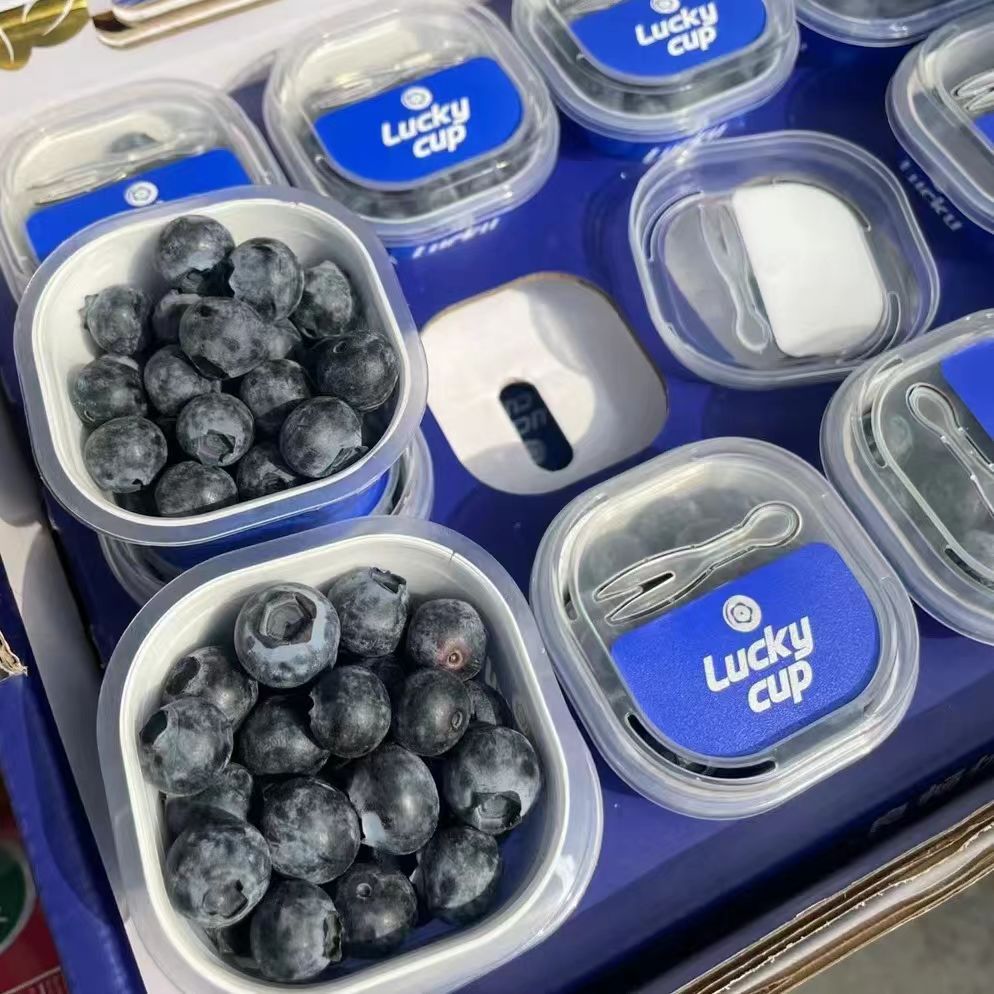
● Fruit punnets, trays, clamshell boxes, salad containers -
● PLA, PHA, bagasse, or paper fiber composites -
● Heat-resistant and sturdy
Compostable Bags & Pouches
-
● Stand-up pouches, zipper bags, produce bags, biodegradale lap seal bag -
● Custom sizes and printing available

Biodegradable Cellophane Lap Seal Bag
- Premium Materials: Made from food-grade plastic, as with cellulose side gusset bags, ensuring safety and environmental friendliness. Suitable for direct contact with food.
- Moisture-Resistant Design: Strong sealing effectively prevents moisture and air from entering, preserving the freshness and quality of the products.
- Variety of Sizes: Available in multiple sizes to accommodate different packaging requirements.
- Custom Services: Custom printing options for logos and designs enhance product market competitiveness.
- Easy to Use: Convenient opening design allows for easy filling and sealing, saving time and labor costs.
Product USP – Why Choose Our Compostable Packaging?
Certified & Safe
Complies with EN13432, ASTM D6400, FDA, EU food-contact standards
Customizable Solutions
Thickness, size, printing, and branding tailored to customer needs
One-Stop Supply
From films to rigid containers and bags, complete product line
Brand Sustainability
Supports ESG goals and reduces plastic footprint

Pros & Cons of Compostable Packaging
Pros
Premium appearance and dead-fold performance
Many compostable materials—especially cellulose-based films—offer natural dead-fold properties, allowing packaging to hold its shape neatly without additional adhesives. This results in a clean, premium presentation ideal for retail and food applications.
Effective barrier protection
Advanced compostable films can provide reliable barriers against moisture, gases, aromas, and oils, helping maintain product freshness while meeting sustainability goals.
Smooth machinability and anti-static behavior
Modern compostable packaging materials are engineered for stable performance on automated packaging lines, with reduced static buildup and consistent runnability.
Excellent printability and customization
Compostable films support a wide range of printing techniques, enabling high-quality branding, labeling, and design flexibility without compromising environmental performance.
Compatible with biodegradable laminations
To enhance strength or barrier properties, compostable materials can be laminated with other certified biodegradable layers, expanding their use across more demanding applications.
Cons
Higher material cost compared to conventional plastics
Compostable packaging typically carries a higher upfront cost due to bio-based raw materials, specialized processing, and certification requirements.
Performance limitations under high heat
Some compostable materials have lower heat resistance than traditional plastics, which may limit their use in high-temperature filling, sealing, or storage environments.
Dependence on composting infrastructure
True environmental benefits rely on access to industrial or appropriate composting systems. In regions without proper infrastructure, compostable packaging may not degrade as intended.
Shorter shelf-life and storage sensitivity
Certain compostable materials can be more sensitive to humidity, temperature, and long-term storage, requiring careful handling and inventory management.
Limited barrier performance compared to multi-layer plastics
While improving rapidly, compostable materials may still fall short of the extreme barrier properties offered by complex plastic laminates in some applications.
Regulatory and certification complexity
Different markets apply different compostability standards, which can increase compliance and documentation requirements for global brands.
Potential consumer confusion around disposal
The terms “biodegradable” and “compostable” are often misunderstood, leading to incorrect disposal behavior that reduces the intended environmental benefit.

Applications Across Industries
Food & Beverage
Widely used for fresh produce, bakery items, snacks, and ready meals, compostable packaging helps protect food quality while meeting food-contact and sustainability requirements. Breathability, sealing performance, and grease resistance make it especially suitable for short- to medium-shelf-life products.
Retail & Consumer Goods
Commonly applied to cosmetics, apparel, and small electronics, compostable packaging supports premium branding and sustainability messaging, particularly for inner packaging, wraps, and protective films.
Agriculture
Used in seedling bags, agricultural films, and planting aids, compostable materials can reduce plastic waste in farming operations by breaking down naturally after use.
Logistics & E-commerce
Increasingly adopted for compostable shipping bags, protective cushioning, and void fill, these materials offer a lower-impact alternative to conventional plastic packaging in distribution and last-mile delivery.
YITO is committed to supporting the development of cellulose packaging solutions by focusing on material performance, application-driven design, and environmentally responsible production. By exploring practical uses of across industries, YITO contributes to the broader transition toward sustainable materials that reduce waste and support circular economy goals.
As interest in packaging applications grows, collaboration between material innovators, manufacturers, and forward-thinking brands will play a key role in turning sustainable concepts into real-world solutions.
Related Products

Post time: Dec-22-2025