
As sustainability becomes a central concern across food, retail, and consumer goods industries, biodegradable packaging has moved from a niche concept to a mainstream requirement. Brands, manufacturers, and distributors are increasingly asking the same question: which material is most commonly used for biodegradable packaging, and why?
While several bio-based and compostable materials exist on the market today, their real-world adoption varies significantly depending on performance, cost, regulatory acceptance, and supply-chain maturity. Understanding these differences is essential for making informed packaging decisions that balance environmental responsibility with functionality and scalability.
What Does “Biodegradable Packaging Material” Really Mean?
Before identifying the most commonly used material, it is important to clarify what “biodegradable packaging” actually refers to. In general, biodegradable materials are designed to break down into natural substances—such as water, carbon dioxide, and biomass—through biological processes.
However, in packaging applications, biodegradability alone is not enough. Most markets rely on certified compostability standards to define whether a material can decompose safely and within a controlled timeframe. Common international standards include:
-
EN 13432 (Europe)
-
ASTM D6400 (United States)
-
OK Compost Industrial / Home
Materials that meet these standards must demonstrate not only biodegradation, but also disintegration, eco-toxicity safety, and residue-free decomposition. As a result, the most widely used biodegradable packaging materials are those that consistently meet certification requirements while delivering stable packaging performance.
The Most Commonly Used Materials for Biodegradable Packaging
Several material categories dominate the biodegradable packaging landscape today. Each plays a role, but their adoption levels differ based on application type.
Cellulose (Cellophane) — The Most Widely Adopted Choice
Among all biodegradable packaging materials, cellulose-based packaging—often referred to as cellophane—remains the most commonly used, especially for bags and flexible packaging.
Cellulose is derived from natural plant fibers, typically wood pulp, making it fully bio-based and renewable. Unlike many synthetic polymers, cellulose has a long history of commercial use, with a well-established manufacturing process and global supply chain. This maturity has contributed significantly to its widespread adoption.
From a performance standpoint, cellulose offers a rare balance of properties. It provides good rigidity and dimensional stability, which helps packaging maintain its shape during storage and transport. At the same time, it delivers natural transparency and a premium texture, making it visually appealing for retail packaging.
Most importantly, cellulose is inherently compostable, meaning it does not rely solely on additives or blends to achieve biodegradation. When properly processed and certified, cellulose packaging can break down efficiently under composting conditions without leaving microplastic residues.
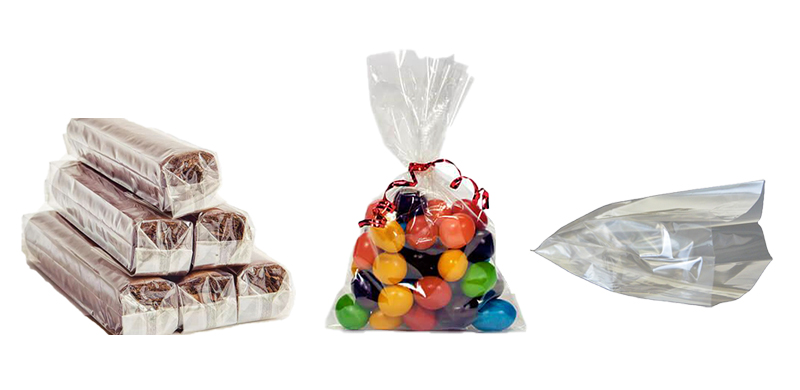
Because of these characteristics, compostable cellulose lap seal bags have become especially common in food packaging applications such as bakery items, snacks, confectionery, produce, and takeaway products, where sealing performance, food safety, and sustainability must coexist.

PLA — Popular for Clear and Rigid Biodegradable Packaging
PLA (Polylactic Acid) is another widely recognized biodegradable material, produced from fermented plant sugars derived from corn starch or sugarcane. PLA is valued for its high clarity, stiffness, and smooth surface, which closely resemble conventional PET plastics.
These visual and mechanical properties make PLA particularly suitable for rigid or semi-rigid packaging, transparent containers, fruit punnets, and specialty films where appearance is critical. PLA is also commonly used in labels and blister-style packaging.
However, PLA’s compostability is largely dependent on industrial composting conditions, including controlled temperature and humidity. In environments lacking proper composting infrastructure, PLA may degrade much more slowly. As a result, while PLA is popular, its use is often more application-specific compared to cellulose.
PBAT and Biodegradable Blends — Functional but Less Visible
PBAT and other biodegradable polyester blends are frequently used to enhance flexibility, toughness, and heat resistance in compostable packaging. These materials are commonly blended with PLA or starch-based polymers to improve sealing and handling properties.
Although PBAT-based materials are widely used in compostable films and carrier bags, they are less visible to consumers as standalone materials. Their role is often functional rather than structural, making them important but less dominant in branding-driven packaging formats.
Why Cellulose Is the Preferred Material for Compostable Bags
When focusing specifically on compostable bags, cellulose consistently emerges as the preferred and most commonly used material. This is largely due to its ability to meet both environmental and functional requirements without excessive material complexity.
Cellulose bags offer excellent sealability, making them compatible with lap seal packaging machinery commonly used in food production lines. They also demonstrate good breathability, which is particularly important for baked goods and fresh produce.
From a regulatory standpoint, cellulose materials are widely accepted for food contact applications, and their compostability credentials are well recognized across global markets. This reduces compliance risks for brands operating internationally.
Additionally, cellulose packaging aligns well with consumer perception. Unlike some bioplastics that resemble conventional plastics, cellulose has a more natural look and feel, reinforcing sustainability messaging at the point of sale.
For these reasons, cellulose lap seal packaging has become a standard solution for brands seeking reliable, compostable alternatives to traditional plastic bags.
Real-World Applications of Cellulose-Based Packaging
Cellulose packaging is now widely used across multiple sectors, including:
-
Bakery and pastry packaging
-
Snack and confectionery bags
-
Fresh produce wraps
-
Tea, coffee, and dry food packaging
-
Retail inner packaging and labeling
Its adaptability across these applications further explains why cellulose remains the most commonly adopted biodegradable material in flexible packaging formats.
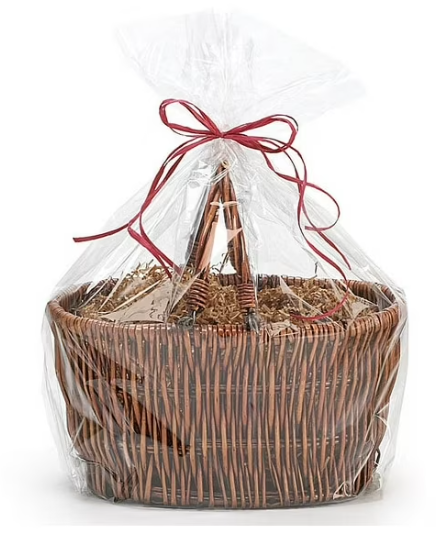
How YITOPACK Applies Cellulose in Compostable Packaging
As demand for compostable packaging continues to grow, material expertise and process control become critical differentiators. YITOPACK specializes in cellulose-based compostable packaging solutions, with a particular focus on functional bag structures such as lap seal designs.
By optimizing film formulation, sealing performance, and thickness control, YITOPACK ensures that its cellulose packaging solutions meet both industrial performance requirements and compostability standards. This approach allows brands to transition away from conventional plastics without sacrificing efficiency or product protection.
In addition to standard formats, YITOPACK supports customization and OEM services, enabling businesses to tailor packaging size, printability, and structure to their specific market needs while maintaining a strong sustainability profile.
So, Which Material Is Most Commonly Used for Biodegradable Packaging?
While multiple biodegradable materials are available today, cellulose clearly stands out as the most commonly used material for biodegradable and compostable packaging, particularly in bag and flexible packaging applications.
Its renewable origin, proven compostability, functional reliability, and broad regulatory acceptance have made cellulose the material of choice for brands seeking scalable, environmentally responsible packaging solutions. As sustainability expectations continue to rise, cellulose-based packaging—especially in formats like lap seal bags—is likely to remain a cornerstone of the biodegradable packaging industry.
Feel free to contact us for more information about compostable packaging!
Related Products


Post time: Dec-22-2025