
With the growing severity of plastic pollution, PLA (Polylactic Acid) and other bio-based biodegradable materials are widely regarded as the main alternatives to address “white pollution.” This article provides a comprehensive analysis of PLA’s advantages, limitations, practical applications, and enterprise implementation strategies through material classification, industry analysis, and product solutions. PLA packaging is widely used as a biodegradable packaging solution for food, fruit, and retail industries.
1. Why is PLA Considered a Representative Material?

In the material classification chart, plastics are divided into four categories based on source and biodegradability:
| Material Category | Bio-based / Petroleum-based | Biodegradable / Non-biodegradable | Representative Materials | Features / Limitations |
|---|---|---|---|---|
| Bio-based + Biodegradable | Bio-based | Biodegradable |
, PHA, PBS |
Industrially compostable, reduces fossil fuel dependency |
| Bio-based + Non-biodegradable | Bio-based | Non-biodegradable | Bio-based PE, PP, PET | Eco-friendly source, but residues remain at the end of life. |
| Petroleum-based + Biodegradable | Petroleum-based | Biodegradable | PBAT, PCL | End-of-life biodegradable, but fossil-fuel dependent |
| Petroleum-based + Non-biodegradable | Petroleum-based | Non-biodegradable | Conventional PE, PP, PET | Neither biodegradable nor sustainable |
Why can PLA (Polylactic Acid) become a 'representative'? Because it occupies both ends.
One is the source—made from plants such as corn and sugarcane; without digging for oil, the purchasing end is environmentally friendly.
The other end is the destination—entering industrial composting facilities, it can be completely degraded without leaving behind the troubles of microplastics.
Other materials either come from environmentally friendly sources but cannot be degraded, or they can be degraded, but the raw material is still petroleum. PLA and PBS happen to be stuck in the middle, occupying both sides, so they have become the "face bearers" of this industry.
2.What Does Industrial Maturity Mean?
The chart states that PLA is “the most industrialized biodegradable material," which can be understood across three dimensions:
2.1 Mature Supply Chain
- From raw material cultivation → polymerization → product manufacturing → global distribution, PLA(Polylactic Acid) has a stable and scalable supply chain.
- Compared with materials like PHA or PBS, PLA’s production and pricing are more controllable. YITOPACK's experience: We've maintained consistent production through raw material fluctuations, ensuring our clients' supply chains remain uninterrupted
2.2 Regulatory Compliance
- Covered by international standards and food safety certifications: Using PLA packaging helps preemptively solve export compliance issues.
- EU EN13432 (Biodegradable Packaging Standard)
- US ASTM D6400 (Industrial Composting Standard)
- FDA / LFGB (Food Contact Safety)
YITOPACK's expertise: All our PLA products are certified to these standards. We maintain documented compliance trails that our clients can present to customs authorities or retail buyers.
2.3 Mature Application Scenarios
- Already widely used in practical products:
- Fruit packaging boxes/blueberry cups
- Biodegradable food bags
- Vacuum packaging bags
- Takeaway food containers
Conclusion: PLA (Polylactic Acid) is no longer a lab material; it is ready for direct market use


3. How Can Enterprises Implement PLA?
Based on YITOPACK's experience working with hundreds of global clients, successful PLA implementation follows a simple principle: match material properties to application requirements. Apply materials according to scenarios, converting PLA properties into usable products.
| PLA Property | YITOPACK Products | Enterprise Value |
| Bio-based → Low carbon | Fruit packaging boxes, blueberry cups | Meet export brand carbon footprint requirements |
| Biodegradable → Industrial composting | Food containers, vacuum bags | Comply with EU/US biodegradable standards and reduce environmental risk |
| Industrially mature → Stable supply | Large-scale packaging production | Ensure quality and delivery consistency |
Product Lines:
- Fruit & Agricultural Packaging
- PLA blueberry cups, fruit boxes, fruit bags
- Solve “freshness + sustainability” for the export of fresh produce
- Food & Retail Packaging
- PLA flip-top containers, bakery boxes
- Address the “food safety + brand image” needs of restaurants
- Flexible Packaging Solutions
- PLA vacuum bags, heat-sealable bags
- Ensure sealability for cross-border logistics while meeting end-of-life environmental standards
Summary: YITOPACK converts the “Bio-based + Biodegradable” quadrant into ready-to-use products for enterprise warehouses.
4. PLA Limitations and Considerations
Although PLA is a main alternative, it is not perfect:
Advantages
- Proven large-scale application and mature supply chain
- Export regulation-friendly
- Can replace most transparent plastic packaging
Limitations
- Requires industrial composting: slow degradation in the natural environment; not effective if discarded casually.
- Limited heat resistance: Heat deformation temperature is around 55–60°C; it's unsuitable for hot filling or microwave heating.
- Higher cost: More expensive than conventional plastics, but cheaper than most other biodegradable materials.
Conclusion: PLA (Polylactic Acid) is a practical starting point, but enterprises must assess suitability for specific applications.
5. YITOPACK Enterprise Implementation Guide
Choose a reliable PLA supplier: YITOPACK can
- Customize size and shape according to requirements
- Provide certifications and a stable supply
- Deliver a one-stop solution from sample testing to batch production
Why Choose YITOPACK:Professional PLA packaging manufacturer and biodegradable packaging supplier for global markets
✅ Compliance-first: Products meet EN13432, ASTM D6400, FDA, and LFGB international standards
✅ Scenario-ready: Not just selling materials, but providing scalable, certified, ready-to-use packaging
✅ Stable supply chain: Large-scale production ensures consistent quality and delivery
YITOPACK PLA Compostable Packaging Wholesale Products (Collection Section)
Explore our full range of PLA biodegradable packaging products, which support custom and bulk biodegradable packaging designed for fruit, food, and retail applications. We convert PLA’s bio-based and biodegradable properties into practical packaging solutions:
Fruit & Agricultural Packaging
- PLA Blueberry Cups for Fresh Fruit Packaging → Keep berries fresh, export-ready
- PLA Fruit Clamshells/Punnets → Protect produce quality, industrially compostable
- PLA Fruit Bags → Sustainable, convenient for logistics
Ideal for fresh produce exporters who need both freshness protection and sustainable compliance.


Food & Retail Packaging
- Compostable PLA Cling Wrap for Food Packaging → Food-safe, brand-friendly
- PLA Bakery Clamshells PLA Bakery Clamshells for Food Packaging → Protect baked goods, eco-friendly
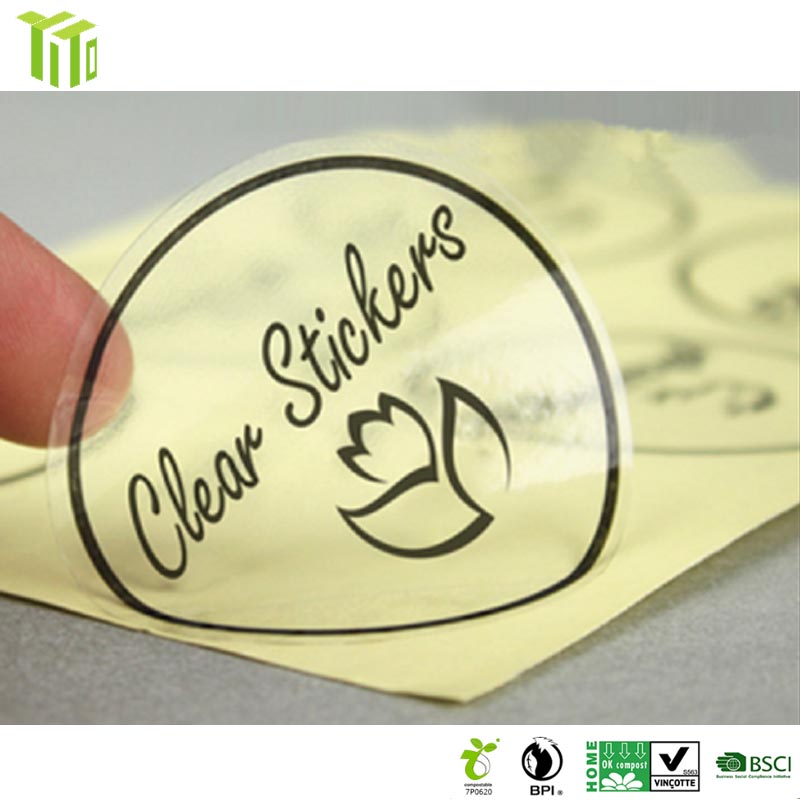
- PLA labels → Low carbon and environmentally friendly, easy to tear


Flexible Packaging Solutions
- PLA Vacuum Bags for Biodegradable Food Packaging → Sealable, biodegradable, export-compliant
-
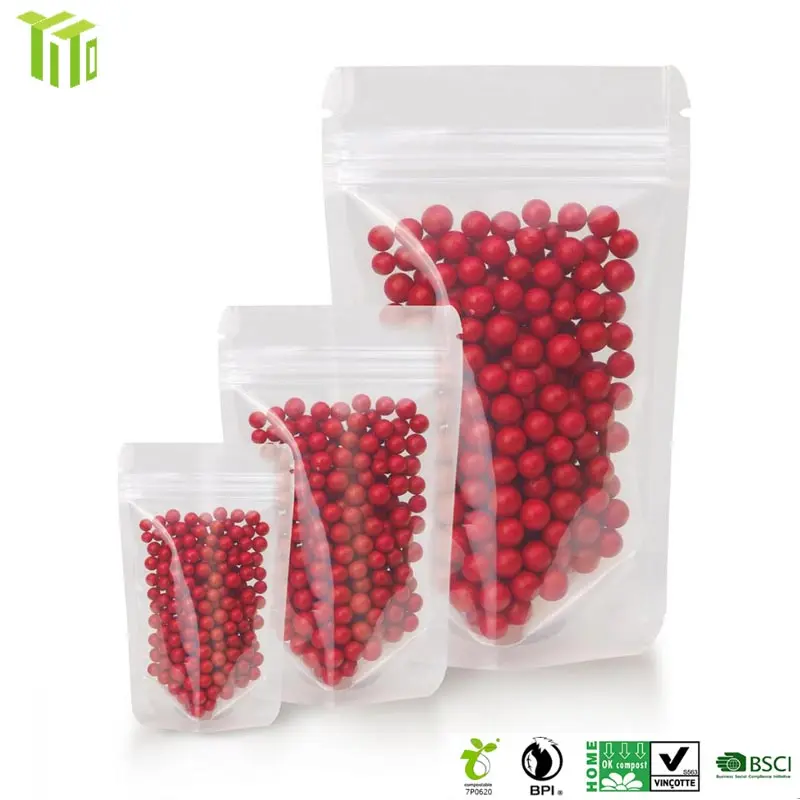
Stand-Up Recyclable Food Pouch Bag → Industrial compostable, strong sealability
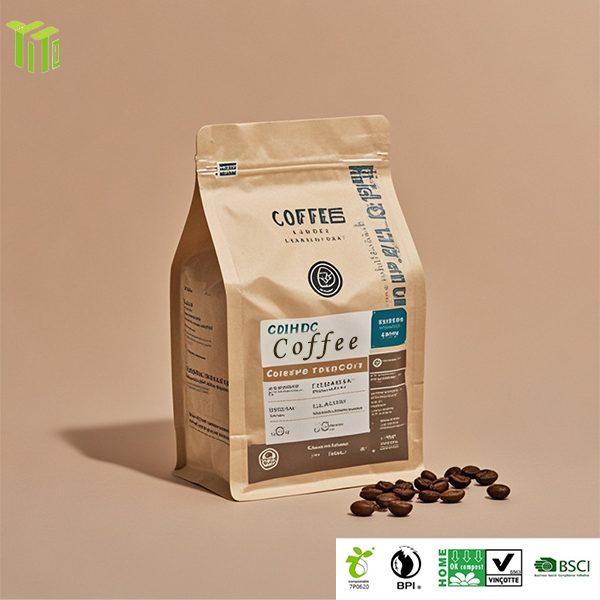
- Compostable PLA Coffee Bags for Sustainable Packaging → laminated, waterproof, oil-resistant, and biodegradable
YITOPACK—a PLA packaging manufacturer—turns the “Bio-based + Biodegradable” quadrant into ready-to-use, certified products for enterprises, widely applied in sustainable food packaging and eco-friendly packaging solutions.

6. FAQ
Q1: Can PLA (polylactic acid) degrade in the natural environment?
A1: PLA requires industrial composting facilities to fully degrade. Degradation in nature is very slow.
Q2: Will PLA packaging degrade naturally if discarded?
A2: No. PLA needs industrial composting conditions (58–70 ℃, controlled humidity) to fully decompose. Use alongside waste sorting and composting facilities.
Q3: What is the cost of PLA packaging?
A3: Higher than conventional plastics but cheaper than most other biodegradable materials, suitable for large-scale use.
Q4: Are YITOPACK PLA products export-compliant?
A4: Yes. All PLA products meet EU EN13432, US ASTM D6400, and FDA / LFGB standards, making them export-ready.
Q5: Can PLA packaging directly contact food?
A5: Yes. YITOPACK PLA products are FDA and LFGB-certified for direct contact with dry, cold, or room-temperature food.
Q6: Is PLA packaging environmentally friendly?
A6: Yes, PLA packaging is considered an environmentally friendly packaging solution because it is bio-based and industrially compostable, reducing reliance on fossil fuels and supporting sustainable packaging systems.
7. Conclusion
Can PLA solve plastic pollution? The answer is partially—but only when properly implemented.
PLA is a bio-based and industrially compostable material, making it a practical alternative to conventional plastics in controlled waste systems. It is already widely used in fruit packaging, food containers, and flexible packaging applications where both sustainability and compliance are required.
For businesses, the key is not just choosing PLA but selecting certified, application-ready products that ensure performance, stability, and regulatory compliance.
YITOPACK—biodegradable packaging supplier—provides PLA packaging solutions that are designed for real-world use—from fresh produce packaging to food retail and flexible packaging—helping businesses transition from material selection to scalable implementation. Drawing on over a decade of manufacturing experience and thousands of successful projects, YITOPACK provides PLA packaging solutions that are designed for real-world use — from fresh produce packaging to food retail and flexible packaging — helping businesses transition from material selection to scalable implementation.
Looking to switch to PLA packaging for your products?
YITOPACK provides certified, customizable, and export-ready solutions for fruit, food, and flexible packaging.
Request samples or discuss your project with our team today.
Related Products


Post time: Mar-31-2026