
Sustainability is now a key priority for both businesses and consumers. With the rise of environmental challenges such as plastic pollution, the demand for eco-friendly packaging is growing at an astonishing pace. One common question that often pops up is: are cellophane bags truly eco-friendly? While the answer may seem clear-cut at first, there’s actually a lot more to consider. It’s not just about labels or marketing claims; it’s about the real environmental impact of the materials we use.
In this article, we’ll take a closer look at what cellophane bags are, their environmental impact, and how they stack up against other popular packaging options. By the end, you’ll be in a much better position to determine whether cellophane bags are the right choice for your eco-conscious business.
2.Why Choose Eco-Friendly Cellophane Bags?
Eco-friendly cellophane bags are often promoted as biodegradable and compostable alternatives to plastic. But what does this really mean? Can they live up to the promises made on their packaging? Let’s explore why businesses are increasingly turning to cellophane as part of their sustainability efforts.
Biodegradable, Not Infinitely
Cellophane bags are made from cellulose, a plant-based material, which allows them to break down naturally under the right conditions. Unlike plastic bags, which can take hundreds of years to decompose, cellophane wrap typically break down within weeks to months in industrial composting facilities. In fact, studies from the European Commission show that cellophane can degrade in as little as 4-6 weeks under the right industrial conditions—an impressive speed when compared to plastic, which can persist for centuries.
However, their breakdown process is highly dependent on the environment. In soil or water, for example, it may take longer for the bags to decompose. Imagine throwing away a plastic bag and knowing it’ll last almost forever in the environment. But with cellophane, the process is faster, provided it ends up in the right disposal system.
The catch? Disposal matters. If not composted in a proper facility, its environmental benefit is severely diminished.
Recyclable, But with Limitations
Cellophane wrap can be recycled, but recycling infrastructure is limited. According to WRAP, only about 20% of cellophane packaging is currently recycled, largely because far fewer facilities accept it compared with plastic. While plastic recycling has its own challenges, it remains more widely available than cellophane recycling.
As a result, materials like OPP and CPP are often preferred in areas with limited recycling options. However, many industry advocates believe that as demand for sustainable packaging increases, recycling systems for cellophane are likely to improve in the future.

Non-Toxic and Safe for Consumers
One of the standout features of cellophane is that it’s non-toxic and free from harmful chemicals like BPA and phthalates, which are often found in plastics. This makes it a safer option, particularly for food packaging. According to the Environmental Protection Agency (EPA), cellophane is considered far less risky than many plastics, especially when it comes to food storage. So, the next time you grab a snack in a cellophane bag, you can rest assured it’s free from harmful chemicals.
But here's a thought: if it’s so safe, why isn’t it more widely used? The answer lies in infrastructure—cellophane bags, while safe, don’t have the same widespread adoption as plastic packaging, partly due to their higher production costs.
Aesthetic Appeal and Premium Appearance
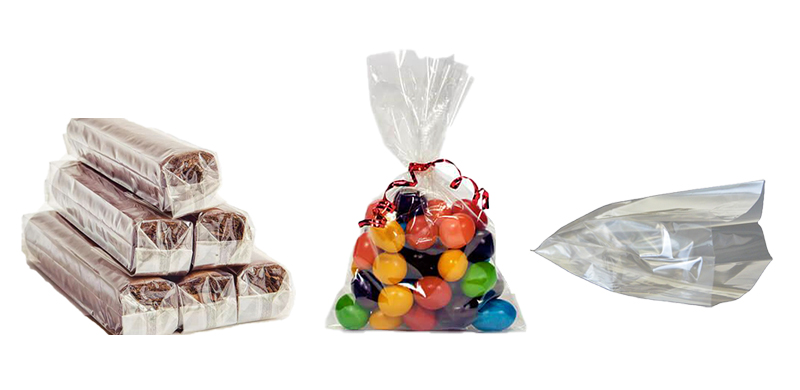
Biodegradable cellophane bags look really nice with a finish. This makes them a good choice for packaging things. You can see right through Cellophane bags, which's product visibility because people can see what they are buying. This is good for stores that want to show off their products and for companies that want to give away things in nice packages. Cellophane wraps for packing are an option for people who want packaging that is attractive and also helps the environment.
In fact, a 2015 Nielsen Global Sustainability Report found that 66% of global consumers are willing to spend more on products from brands that are committed to sustainability. Cellophane bags offer both a high-quality look and an eco-friendly alternative, which appeals to those looking to make a positive environmental impact.
Cellophane Bags vs. Plastic/OPP/CPP Bags: Which Is More Eco-Friendly?
When comparing different types of packaging materials, it's important to understand the pros and cons of each. Here's a quick breakdown of how cellophane treat bags measure up to plastic bags, OPP, and CPP bags:
|
Feature |
Cellophane Bags |
Plastic Bags |
OPP/CPP Bags |
| Biodegradable | Yes, under certain conditions | No, takes centuries to decompose | No, but recyclable |
| Recyclable | Limited in many areas | Yes, but often not recycled | Widely recyclable |
| Non-Toxic | Yes, safe for food | Often contains harmful chemicals | May contain harmful additives |
| Aesthetic Appeal | High, transparent, glossy finish | Varies, often opaque | Glossy, clear |
As shown in the table above, compostable cellophane bags are not inherently “more eco-friendly” than other materials; rather, they follow a different sustainability pathway. Cellophane focuses on compostability, while materials such as OPP and CPP rely primarily on recyclability. The overall environmental performance therefore depends less on the material itself and more on whether appropriate composting or recycling systems are available in a given region.
Applications of Eco-Friendly Cellophane Bags Across Industries
Cellulose packaging is now widely used across multiple sectors, including:
-
Bakery and pastry packaging
-
Snack and confectionery bags
-
Fresh produce wraps
-
Tea, coffee, and dry food packaging
-
Retail inner packaging and labeling
Its adaptability across these applications further explains why cellulose remains the most commonly adopted biodegradable material in flexible packaging formats.

YITO: Building Your Green Brand Reputation
YITO specializes in cellulose-based compostable packaging solutions, with a particular focus on functional bag structures such as lap seal designs.
By optimizing film formulation, sealing performance, and thickness control, YITOPACK ensures that its cellulose packaging solutions meet both industrial performance requirements and compostability standards. This approach allows brands to transition away from conventional plastics without sacrificing efficiency or product protection.
In addition to standard formats, YITOPACK supports customization and OEM services, enabling businesses to tailor packaging size, printability, and structure to their specific market needs while maintaining a strong sustainability profile.
Make the Eco-Friendly Shift with YITO
Eco-friendly packaging is no longer optional—it’s a responsibility. YITO’s biodegradable cellophane bags help businesses reduce environmental impact while building consumer trust. Contact us today to explore our sustainable packaging solutions and take the next step toward a greener future.
Feel free to contact us for more information about compostable packaging!
Related Products


Post time: Dec-26-2025